A Comprehensive Guide to Agri Sprayers: Types, Uses, and Selection Tips
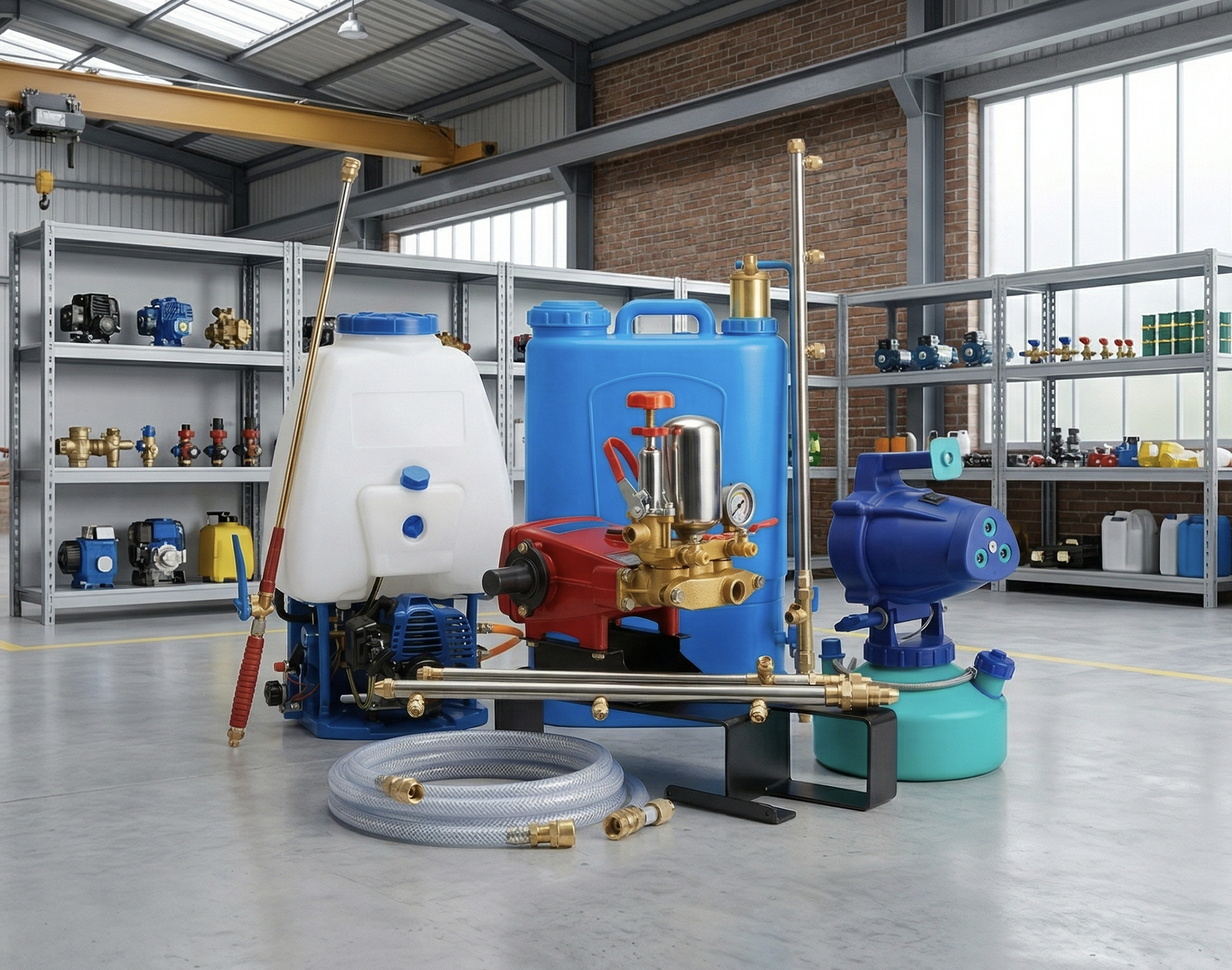
Sprayers are indispensable in modern agriculture, enabling precise application of crop protection chemicals, liquid fertilizers, and water. Whether you manage a small kitchen garden or a large commercial plantation, choosing the right sprayer can dramatically improve efficiency, reduce chemical waste, and lower labor costs. With a variety of sprayer types available—from manual hand units to high-power motorized machines—understanding their specific applications is key. In this guide, we break down the most common agri sprayers, their unique features, and ideal use cases.
Important: Always use protective gear (gloves, mask, goggles) when handling chemicals. Calibrate your sprayer before each season to ensure accurate application rates and avoid over-spraying or under-dosing.
1. Rocker Sprayer
A classic hand-operated sprayer that uses a rocking lever to create pressure. It is a cost-effective solution for small to medium-sized fields, orchards, and vegetable plots.
- Best For: Small farms, gardens, and spot treatments.
- Key Features: No fuel or electricity required; durable brass or plastic pump; typically comes with a 12-16 liter tank.
- Pros: Low maintenance, portable, very affordable.
- Cons: Requires manual pumping during operation; limited to low-pressure applications.
- Action Tip: Ideal for small-scale farmers or as a backup when power is unavailable.
2. Knapsack Sprayer
The most widely used manual sprayer in Indian agriculture. Worn on the back like a backpack, it allows extended field coverage with a lever-operated pump.
- Best For: Row crops, paddy, vegetables, and small orchards.
- Key Features: 15-20 liter tank; adjustable nozzle (cone or flat fan); shoulder straps for comfort.
- Pros: High portability, good coverage, easy to operate.
- Cons: Can cause shoulder fatigue over long hours; requires consistent pumping.
- Action Tip: Look for models with a pressure gauge and comfortable padded straps for larger operations.
3. Hand Sprayer (Compression Sprayer)
A compact, handheld sprayer where air is compressed inside the tank by a pump built into the lid. Once pressurized, it delivers a continuous spray.
- Best For: Home gardens, nurseries, greenhouses, and small-scale pest control.
- Key Features: 1-8 liter capacity; trigger-operated lance; simple maintenance.
- Pros: Lightweight, easy to store, very economical.
- Cons: Frequent re-pressurization needed for larger areas.
- Action Tip: Perfect for hobby farmers or for mixing and testing small batches of new chemicals.
4. Battery Operated Sprayer
A modern upgrade to manual sprayers, these units use a rechargeable battery to power a diaphragm or piston pump, eliminating manual pumping.
- Best For: Farmers seeking to reduce physical strain; medium-sized farms and orchards.
- Key Features: 12V or 24V batteries; 16-20 liter tank; adjustable pressure settings; runs for 4-8 hours per charge.
- Pros: Consistent pressure, less operator fatigue, higher efficiency.
- Cons: Higher upfront cost; requires access to charging; battery life degrades over time.
- Action Tip: Ideal for farmers transitioning from manual to motorized equipment. Brands like Lubi and Crompton offer reliable models.
5. High Pressure Power Sprayer
A robust machine typically mounted on a trolley or frame, powered by a petrol/diesel engine or electric motor, delivering high-pressure spray over long distances.
- Best For: Large-scale farms, orchards, vineyards, and plantations.
- Key Features: 200-800 liter tanks; high-pressure hoses (50-200 meters); multiple gun and lance options.
- Pros: High output, covers vast areas quickly, excellent canopy penetration.
- Cons: Expensive; requires maintenance; not suitable for small plots.
- Action Tip: Ensure your power sprayer has a good filtration system to prevent nozzle clogging when using wettable powders.
6. Knapsack Power Sprayer (Motorized Knapsack)
A backpack-mounted unit with a small petrol engine (usually 1-2 HP) that drives a high-pressure pump. It combines the portability of a knapsack with motorized convenience.
- Best For: Orchards, coconut farms, rubber plantations, and large vegetable fields.
- Key Features: 14-20 liter tank; shoulder straps with frame; pressure up to 20-30 bar.
- Pros: High mobility, powerful spray reach, saves time.
- Cons: Engine noise; heavier than manual knapsack; fuel costs.
- Action Tip: Regular servicing of the engine (air filter, spark plug) is essential for longevity.
7. Foggers (Thermal & Cold Foggers)
Foggers produce a fine mist or fog of tiny droplets that remain airborne, providing excellent coverage for pest control and disease management in enclosed or semi-enclosed spaces.
- Best For: Greenhouses, poultry farms, godowns, orchards (for mosquito/fly control).
- Key Features: Thermal foggers use heat to vaporize the solution; cold foggers use high-velocity air.
- Pros: Extremely fine droplets, reaches hidden areas, very effective for adult pest control.
- Cons: Not suitable for herbicides; drift can be an issue in open fields; chemical concentration must be precise.
- Action Tip: Use foggers during early morning or late evening when wind speeds are low to maximize efficacy and minimize drift.
8. ULV Sprayers (Ultra-Low Volume)
Specialized sprayers that dispense chemical concentrates at very low volumes (typically less than 5 liters per hectare). The droplets are extremely fine (10-50 microns).
- Best For: Large-scale insecticide applications, public health (mosquito control), and specialty crops.
- Key Features: Handheld, backpack, or vehicle-mounted; uses concentrated formulations; minimal water usage.
- Pros: Reduces water hauling, fast application, effective for migratory pests.
- Cons: Requires specific chemical formulations; higher skill needed for calibration; risk of drift.
- Action Tip: Follow manufacturer guidelines strictly, as ULV applications use undiluted or minimally diluted chemicals.
9. Motorised Knapsack Mist Blower cum Duster
A versatile 2-in-1 machine that can be used for both liquid spraying (mist) and dry dusting of powders. The air blast from the fan helps penetrate dense foliage.
- Best For: Tall crops like sugarcane, cotton, orchards, and plantation crops where good coverage is essential.
- Key Features: Air-cooled petrol engine; adjustable nozzles; can switch between misting and dusting modes.
- Pros: Dual functionality, strong air current lifts leaves for under-leaf coverage, time-saving.
- Cons: Heavier than standard power sprayers; more moving parts to maintain.
- Action Tip: When dusting, ensure the powder is free-flowing and the machine's dust hopper is properly sealed.
10. HTP Sprayers (High-Tech Power Sprayers)
HTP sprayers represent the latest evolution in spraying technology, often featuring diaphragm pumps, automatic pressure regulation, and advanced filtration. They are designed for large-scale commercial farming where precision and reliability are critical.
- Best For: Large-scale farms, horticulture plantations, and contract farming operations.
- Key Features: High flow rates (20-40 LPM); durable diaphragm pumps; pressure up to 50 bar; often come with boom or orchard gun kits.
- Pros: Uniform coverage, reduced downtime, built for continuous heavy-duty use, excellent chemical compatibility.
- Cons: Premium pricing; requires proper storage and winterization in cold climates.
- Action Tip: Invest in an HTP sprayer if you have more than 5 acres of high-value crops—the uniformity and efficiency directly impact yield quality.
How to Choose the Right Sprayer for Your Farm
| Factor | Manual / Battery Sprayer | Power Sprayer / HTP / Mist Blower |
|---|---|---|
| Farm Size | Up to 2 acres | 2+ acres |
| Crop Type | Vegetables, ground crops | Orchards, plantations, tall crops |
| Labor Availability | Suited for family labor | Reduces labor dependency |
| Initial Budget | ₹2,000 – ₹10,000 | ₹15,000 – ₹80,000+ |
| Precision Need | Good for spot treatments | Essential for uniform coverage on large areas |
Maintenance Tips for Long Sprayer Life
- Clean After Every Use: Rinse the tank, hose, and nozzle with clean water to prevent chemical residue from clogging or corroding components.
- Lubricate Moving Parts: For manual sprayers, oil the pump leather/washer periodically. For motorized units, change engine oil as per the schedule.
- Inspect Nozzles: Worn or damaged nozzles lead to uneven application. Replace them at the start of each season.
- Store in a Dry Place: Keep sprayers out of direct sunlight and away from extreme temperatures to preserve seals and gaskets.
- Battery Care (for battery sprayers): Avoid deep discharging; charge only with the supplied charger; store at 50% charge if not used for long periods.
Conclusion
Selecting the right agri sprayer is about matching the tool to your farm's size, crop type, and operational needs. From the simplicity of a Rocker Sprayer for small gardens to the power of HTP sprayers for commercial plantations, each type has a role in efficient crop management. By investing in the appropriate equipment and following regular maintenance, you can ensure precise chemical application, healthier crops, and higher returns. Assess your requirements, consider your budget, and choose a sprayer that will serve you reliably season after season.
Disclaimer: This guide provides general information for educational purposes. Sprayer models, chemical formulations, and local regulations vary. Always read and follow the chemical label instructions, wear appropriate personal protective equipment (PPE), and consult with a local agricultural extension officer or certified technician for specific recommendations tailored to your crops and conditions. The author and publisher assume no liability for any damage, injury, or loss incurred as a result of following this information.

Recent


Follow Us