What is the Best Water Pump for Agricultural Irrigation in India Across Different HP Ranges?
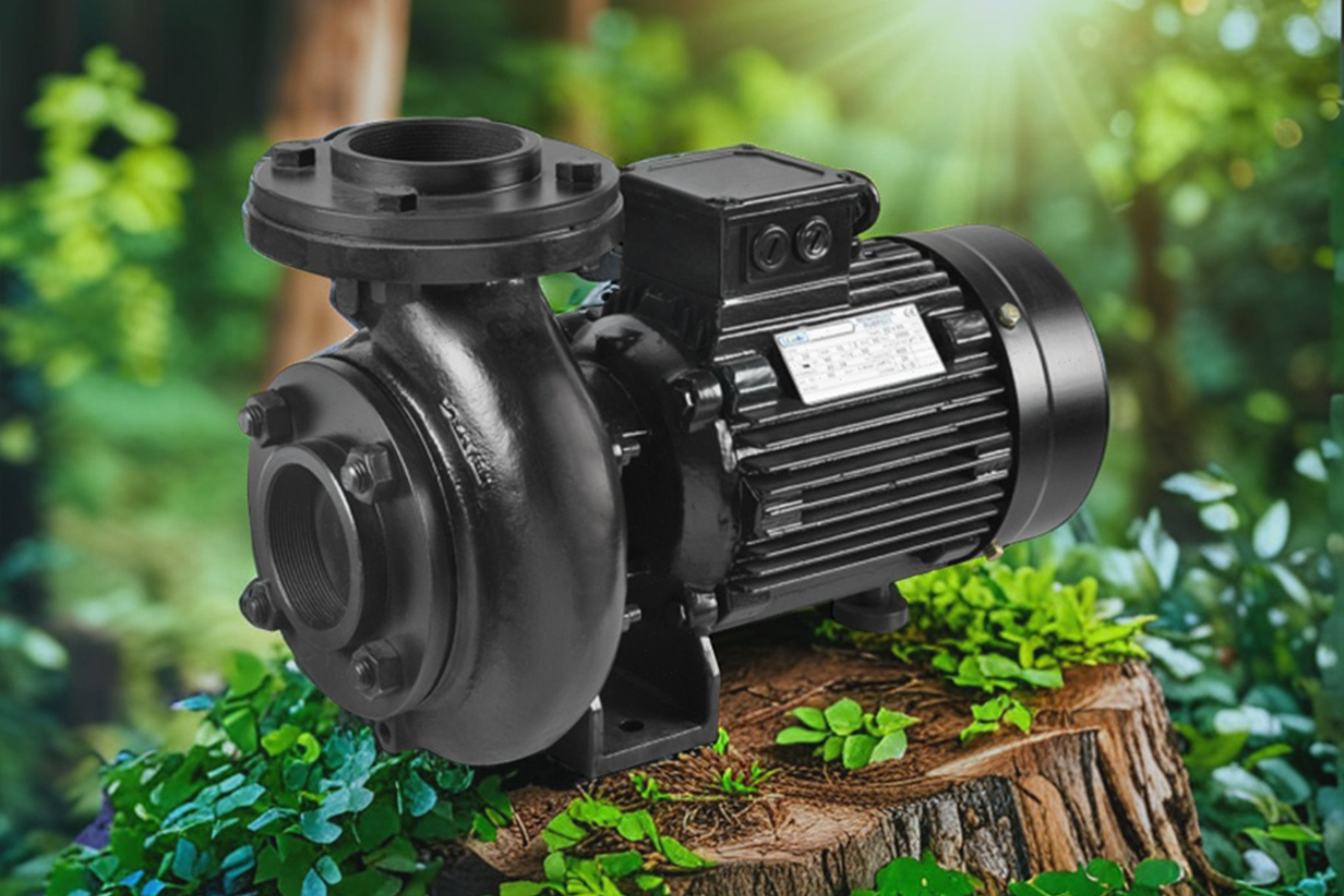
Choosing the right water pump is one of the most critical decisions for any farmer in India. With varying water sources, crop types, and field sizes, the "best" pump depends heavily on your specific requirements. Pumps are typically rated by Horsepower (HP), and selecting the correct HP range helps ensure efficient water delivery, manageable electricity bills, and reasonable service life. This guide provides HP-wise general advice to help you select a reliable agricultural pump.
Note: A pump that is too small for your requirement may run continuously, potentially leading to higher power consumption and faster wear. A pump that is too large may have higher initial cost and may cycle unnecessarily. Use this guide as a starting point, and consult a local dealer for site-specific advice.
Understanding Your Farm's Pump Requirement
Before looking at HP ranges, it is useful to understand the key factors that influence your choice:
- Water Source Depth: The deeper your borewell or open well, the more HP may be needed to lift the water effectively.
- Field Size (Area to Irrigate): Larger fields generally require pumps with higher flow rates (discharge) to cover the area within a reasonable time.
- Type of Irrigation System: Drip irrigation requires lower pressure but consistent flow, while sprinkler systems need pumps capable of generating higher line pressure.
- Water Table Fluctuation: In areas where the water table drops significantly during summer, a higher HP pump with more stages may be necessary.
- Power Supply: Check if you have single-phase or three-phase power connection available at your site.
HP-wise General Recommendations for Agricultural Pumps
Based on general market practices and farmer feedback, here are guidelines for selecting pumps across HP ranges. Actual requirements vary by local conditions.
Up to 1 HP – Small Gardens & Marginal Farms
Suitable for landholdings up to approximately 1 acre, kitchen gardens, and domestic water supply for farmhouses. These are typically single-phase pumps suitable for shallow wells or overhead tank filling.
- Typical applications: Small-scale drip irrigation, watering vegetable patches, lifting water from shallow reservoirs (up to 20–25 feet depth).
- Features to look for: Copper winding, thermal overload protection, self-priming capability (depending on application).
1.5 HP to 2 HP – Small to Medium Farms (Approx. 1-3 Acres)
This is a commonly used category for small-scale farmers in India. These pumps can run sprinkler systems and fill storage tanks for many farm types.
- Typical applications: Irrigating vegetable fields, running small sprinklers, transferring water from ponds, mixed farming.
- Features to look for: TEFC (Totally Enclosed Fan Cooled) motor for dust/moisture protection, single-phase or three-phase as available, head range suited to your lift.
3 HP to 5 HP – Medium to Large Farms (Approx. 3-10 Acres)
This HP range is widely used in Indian agriculture, capable of powering large sprinkler sets, providing high-volume irrigation for cash crops, and serving community water schemes.
- Typical applications: Deep borewell applications (up to 150–200 feet depending on pump stage count), high-flow open wells, irrigating sugarcane, cotton, and banana plantations.
- Features to look for: Three-phase motors for heavy duty, multi-stage design for deep wells. Verify borewell diameter and water yield before selecting a pump in this range.
7.5 HP to 10 HP and Above – Large Farms & Heavy-Duty Use
These high-capacity pumps are designed for larger landholdings (10+ acres), deep borewells (400 feet+), and high-volume transfer for major irrigation projects.
- Typical applications: Large-scale commercial farms, paddy irrigation, horticulture plantations, pressurized irrigation networks.
- Features to look for: Heavy-duty submersible construction, oil-filled motors for cooling, head capabilities exceeding 100 meters depending on stage count.
- Considerations: Professional installation and voltage stabilizers are often recommended for this power range.
Quick Decision Guide: Repair or Replace?
Before investing in a new pump, consider these factors to decide between repairing your existing unit or buying a new one.
| Situation | Repair May Be Suitable | Replacement May Be Better |
|---|---|---|
| Age of Pump | Less than 5 years | More than 7-10 years |
| Motor Burnout | First-time burnout | Repeated burnout after rewinding |
| Electricity Bill | Stable or marginal increase | Increased by 20% or more without change in usage pattern |
| Physical Condition | Minor surface rust, no leaks | Cracked casing, significant corrosion, or leaks |
General Brand Considerations
The following observations are based on market presence and user feedback. Actual performance varies by specific model, usage conditions, and local service availability.
| Brand | Key Observations | Repair vs. Replacement Note |
|---|---|---|
| Lubi Pumps | Known for build quality. Users report copper winding as standard. Designed to handle voltage fluctuations (tolerance up to 320V as per specifications). Wide range of submersible and monoblock pumps available. Service availability varies by region. | Generally repairable with genuine spares where available. Replacement may be considered if the pump body is corroded or if efficiency drops significantly after multiple major repairs. |
| Crompton Pumps | Widely available across India. Some users report that service response varies by location. Spare parts availability for older models (beyond 5-7 years) can be inconsistent in some areas. Newer models may have better support. Some ranges include features like anti-jam windings. | For a pump that is 3-5 years old with motor burnout, compare repair cost and parts availability against replacement cost. If the model is discontinued or parts are unavailable locally, replacement may be more practical. Routine repairs (seal, bearing replacement) are generally possible if the motor is in good condition. |
| Sharp TEG Pumps | Robust construction suitable for clean water applications. Their single-stage and jet pumps are commonly used for shallow to medium-depth wells. Recognised for quality standards (e.g., Rajiv Gandhi National Quality Award). | Sharp pumps are known for durability. If the core hydraulic components (body, impeller, shaft) are sound, rewinding the motor with copper wire is a viable repair option. Availability of spares varies by region – verify locally before purchasing. |
Beyond the Pump: Optimizing Your Irrigation System
The efficiency of your agricultural irrigation depends not only on the pump but also on the entire system design. Consider these factors:
- Pipe Sizing: Undersized pipes create friction loss, which may require the pump to work harder and could reduce flow.
- Filtration: For drip and sprinkler systems, proper filtration (sand filters, screen filters) helps prevent clogging and maintain pressure.
- Power Supply Quality: In areas with frequent or severe voltage fluctuations, a voltage stabilizer may help protect the pump motor from damage.
Conclusion
Selecting a water pump for agricultural irrigation in India requires assessment of your land size, water source depth, and irrigation needs. For many small to medium farmers (approximately 1-3 acres), a 1.5 HP to 2 HP monoblock or openwell pump is a common choice. As farm size increases to approximately 3-10 acres, 3 HP to 5 HP submersible pumps are often used for deeper borewells and higher flow requirements. For larger operations exceeding 10 acres, 7.5 HP and above submersible pumps may be necessary.
By following this HP-wise guide as a starting point and choosing a brand with good local service support, you can make an informed decision. Always consult a local pump dealer or agricultural engineer to assess your specific site conditions (borewell yield, total dynamic head, power availability) before making a purchase.
Disclaimer: This guide provides general information for educational purposes. Pump specifications and performance vary by model, installation, operating conditions, and maintenance. Always consult with a local pump dealer or agricultural engineer to assess your specific site conditions (borewell yield, total dynamic head, power availability) before making a purchase decision. The author and publisher assume no liability for any damage, injury, or loss incurred as a result of following this information.

Recent


Follow Us